Start with the spaces
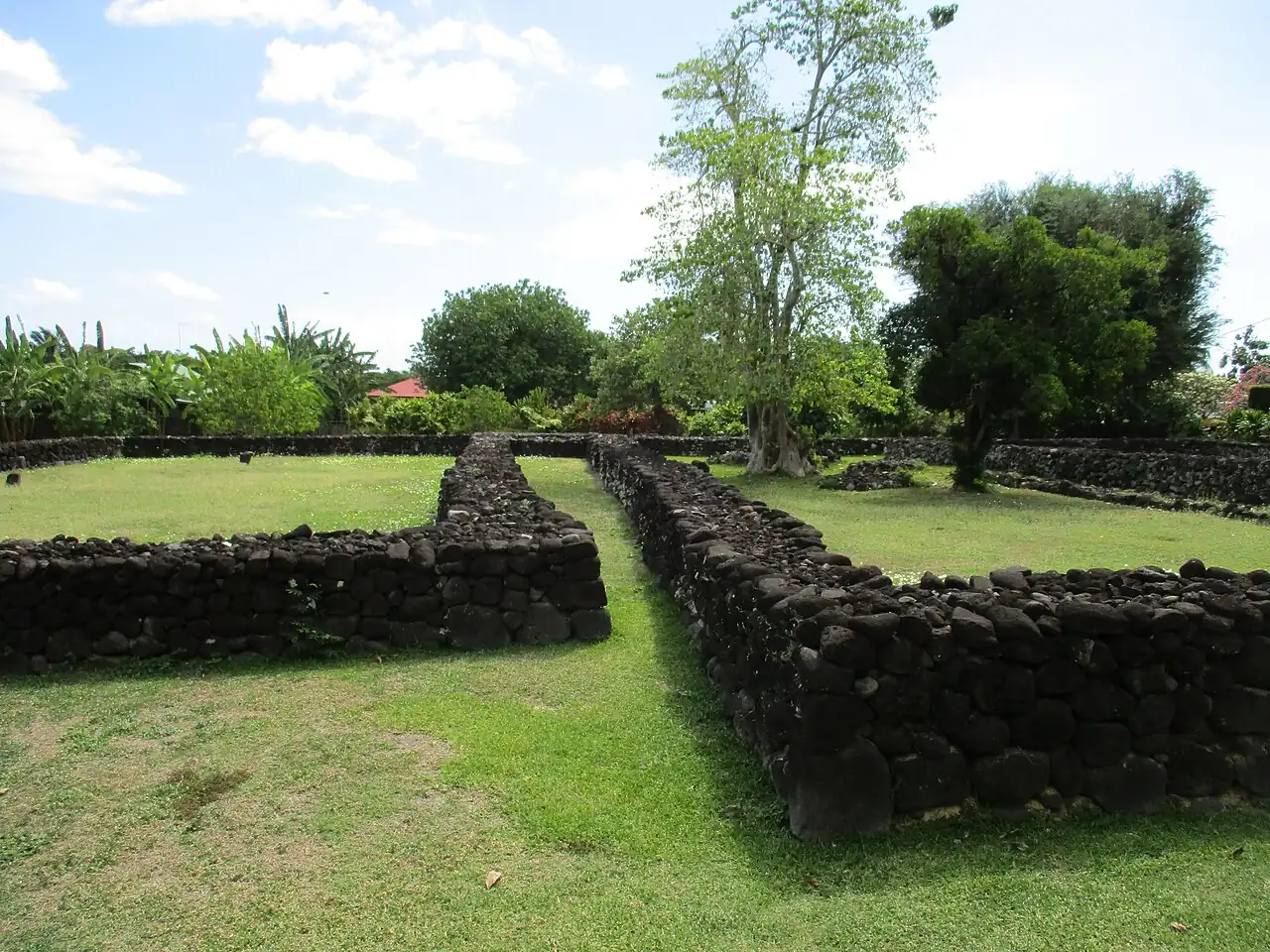
At Ta’ata in Paea, three enclosures stand side by side. DCP’s archaeological panel distinguishes courtyards, walls and platforms: the overall arrangement matters as much as a striking stone. From permitted spaces, compare what separates the courts and what stands at their ends. A shared name does not mean an identical plan across every island. Local interpretation offers a better starting point than assigning a universal meaning to each stone.
Sources for this section: [2]
Look beyond the structures
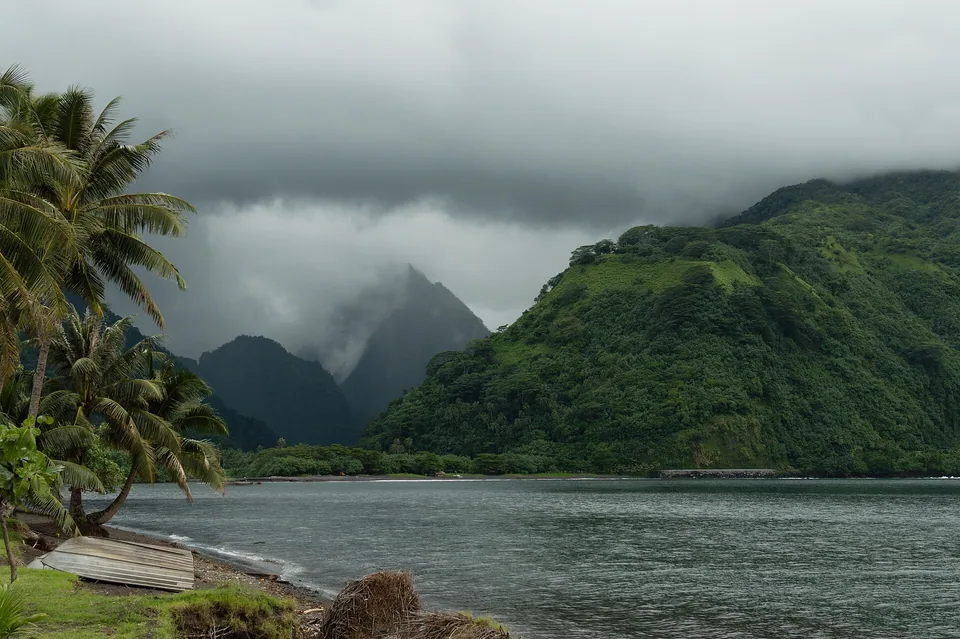
Taputapuātea on Raiatea is inscribed as a cultural landscape. DCP connects the ceremonial complex with its lagoon, reef pass and valleys. Looking only at one platform would miss part of the relationship between land, sea and historical connections. This grants no access across neighbouring land: begin by observing the site’s orientation and reading the documents that explain its wider setting.
Sources for this section: [3]
Restoration is part of the history too
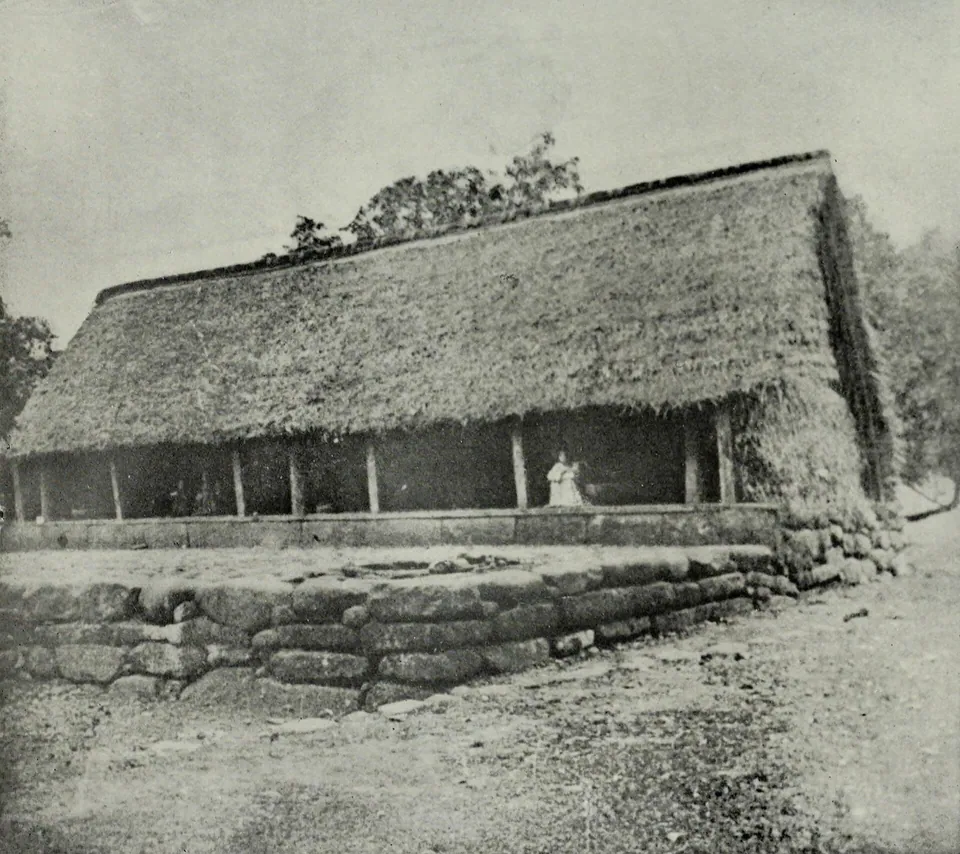
DCP traces successive descriptions, excavations and restorations at Ta’ata, followed by landscaping. What a visitor sees today is therefore not a scene frozen in time. An interpretation panel, a dated photograph and an archaeological plan may record different stages. Keeping dates with images helps explain those differences. An older photograph can document a monument without guaranteeing its condition, maintenance or access on the day of a trip.
Observe without moving or climbing
Tahiti Tourisme’s Huahine guidance asks visitors to keep off structures, use permitted paths and respect sacred places. A stone is not a seat, a step for a portrait or a souvenir to take away. Local rules take priority over a desired photograph. The linked profiles and selections below locate several sites and help plan each visit separately.
Sources for this section: [4]
Takeaway
Begin with the site plan and interpretation. Then connect structures with landscape and document dates, retaining questions the sources do not settle.
Sources and context
The sources are listed with their date or period.
- Marae Ta’ata : présentation et visite ↗
Direction de la culture et du patrimoine · Official page consulted 18 November 2026
- Marae Marae-Ta’ata : chronologie des travaux archéologiques ↗
Direction de la culture et du patrimoine · Interpretation panel uploaded May 2025
- Comprendre le paysage culturel de Taputapuātea ↗
Direction de la culture et du patrimoine · Inscribed in 2017; entry consulted November 2026
- S’imprégner de la culture à Huahine ↗
Tahiti Tourisme · Visitor guidance consulted 18 November 2026
About this article
Article based on the cited heritage entries and interpretation panels, without an on-site visit or interview. Each marae has its own history; follow local access rules.
Published by Tahiti Vagabond.
Our method →