One term, several contexts
In his chapter on the Society Islands, published by ANU Press in 2016, Tamatoa Bambridge examines rāhui through the relationships between authority and the organisation of social groups. The subject extends beyond drawing a zone. Who can impose a restriction, on which resource and for how long are questions within the social organisation he studies.
Sources for this section: [1]
Management matters as much as the boundary
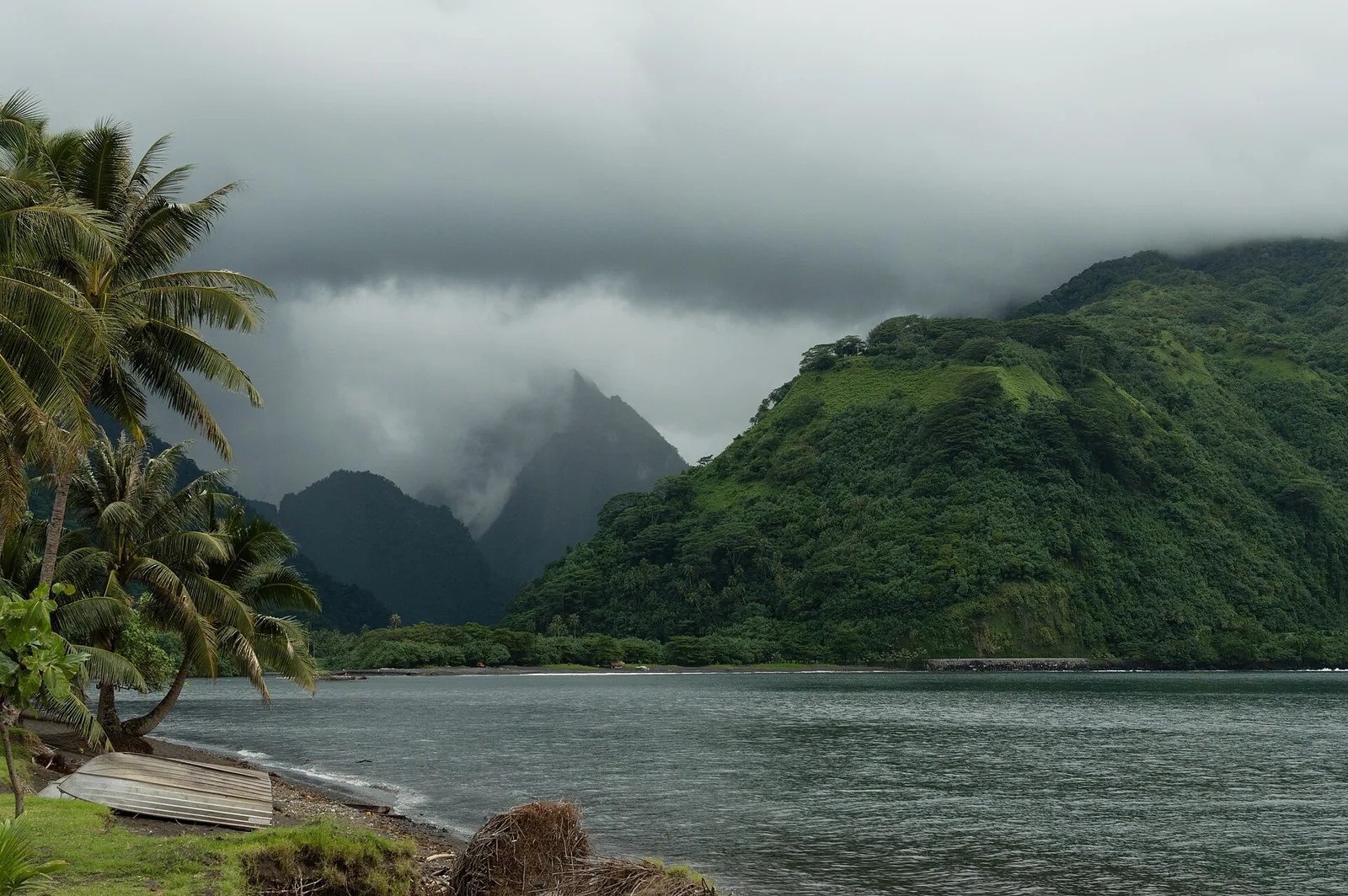
This perspective distinguishes a term, a local decision and an administrative arrangement. They may intersect without being interchangeable. Describing a case requires identifying its actors, the uses concerned and the rules applicable to the period studied. A lagoon photograph or a line on a map cannot on its own establish collective agreement or management arrangements.
Sources for this section: [1]
A dated contemporary example
The Rāhui project call announced by the marine resources department on 24 March 2026 combined marine protection, resource management and cultural awareness. Its presentation included local consultation, scientific monitoring and education among activities supported since the programme began. This dated example shows the variety of work brought together around the term, beyond a single prohibition.
Sources for this section: [2]
An announcement is not an outcome measure
This call for projects closed on 20 May 2026. It sets out management goals; to understand effects in a particular area, ask local organisations for an assessment and the period studied.
Sources for this section: [2]
Who decides on a rāhui?
When a rāhui is announced, find out who made the decision, where it applies and in what circumstances. These details explain what each decision means.
Sources and context
The sources are listed with their date or period.
- The law of rahui in the Society Islands ↗
Tamatoa Bambridge · ANU Press, The Rahui · Research chapter, 2016
- Lancement de la 9e édition de l’Appel à projets Rāhui ↗
Direction des ressources marines · 24 March 2026 · call now closed
About this article
The research chapter concerns the Society Islands and dates from 2016. This text is neither a map of current rules nor permission to fish, enter or swim. No local manager was interviewed.
Published by Tahiti Vagabond.
Our method →