Black sand can come from volcanic rock
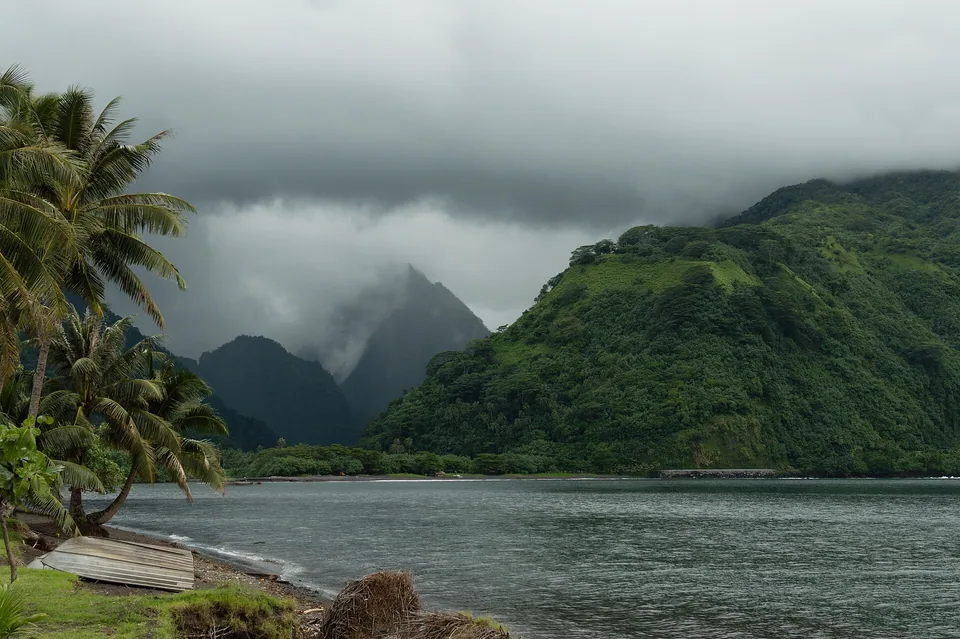
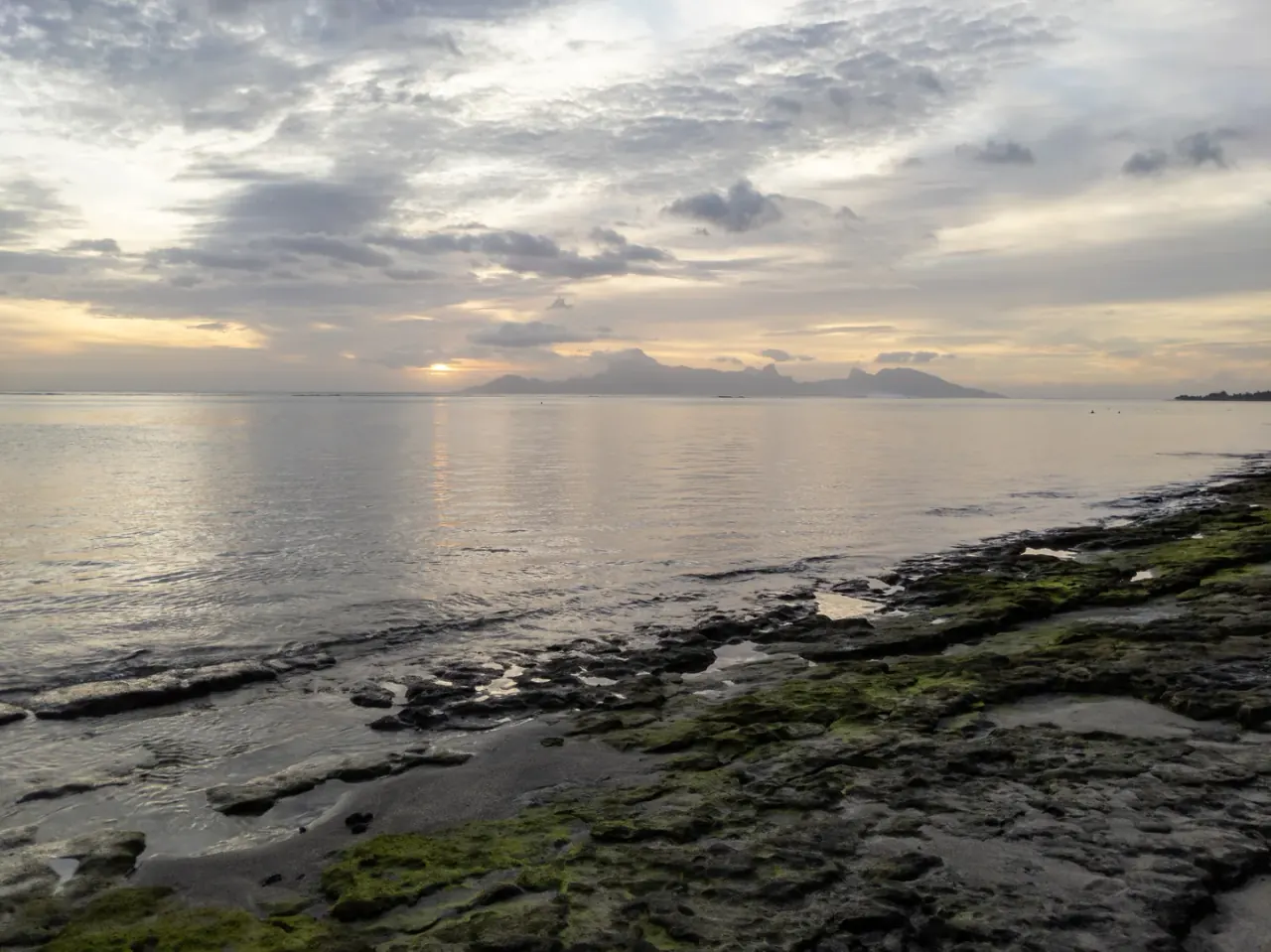
Erosion breaks rock into particles that water and waves transport. NOAA explains that dark sands can originate from volcanic material. Tahiti’s black-sand beaches reflect the island’s volcanic character. This does not mean a recent lava flow created every shore: grains can be transported, sorted and reworked long after the rock formed.
Sources for this section: [1]
Pale sand can tell a reef story
In reef environments, some pale grains come from marine skeletons or shells: corals, molluscs and other carbonate producers. NOAA also describes parrotfish grinding calcareous material. Reducing all white sand to their waste would be misleading: multiple organisms, erosion and transport contribute to a beach.
A beach is a changing mixture
Sand does not stay still. Waves, currents and material from land can change its distribution. Grains of different origins can mix; moisture and light also affect appearance. A photograph therefore cannot measure a beach’s composition. NOAA’s examples explain general mechanisms, not a laboratory analysis of every Tahitian shore.
Sources for this section: [2]
Choose a beach for more than its colour
Vaiava at PK18 and black-sand shores such as Taharu’u offer different landscapes. To plan a visit, also check access, transport and current conditions through the linked profiles below. Clear water or white sand proves neither an absence of currents nor supervision. Observe grains without taking sand, coral or shells away.
Sources for this section: [1]
Takeaway
Sand colour suggests something about its origin. To understand a shore, consider reefs, rocks and water movement; to visit, consider access and sea conditions too.
Sources and context
The sources are listed with their date or period.
- What is sand? ↗
NOAA Ocean Service · Science explainer
- The science of sand ↗
NOAA Ocean Service · Science interview, July 2023
About this article
A documentary synthesis without a field visit or local mineral analysis. NOAA’s general mechanisms do not establish exact grain proportions on individual Tahitian beaches.
Published by Tahiti Vagabond.
Our method →