01
Separate the outing from the walking involved
For a viewpoint, check the journey and the walk from parking to the view. For a vehicle tour, ask about stops, walking sections and expected comfort. For a hike, confirm duration, elevation gain, terrain and guidance. Road access to a lookout says nothing about nearby hiking trails.

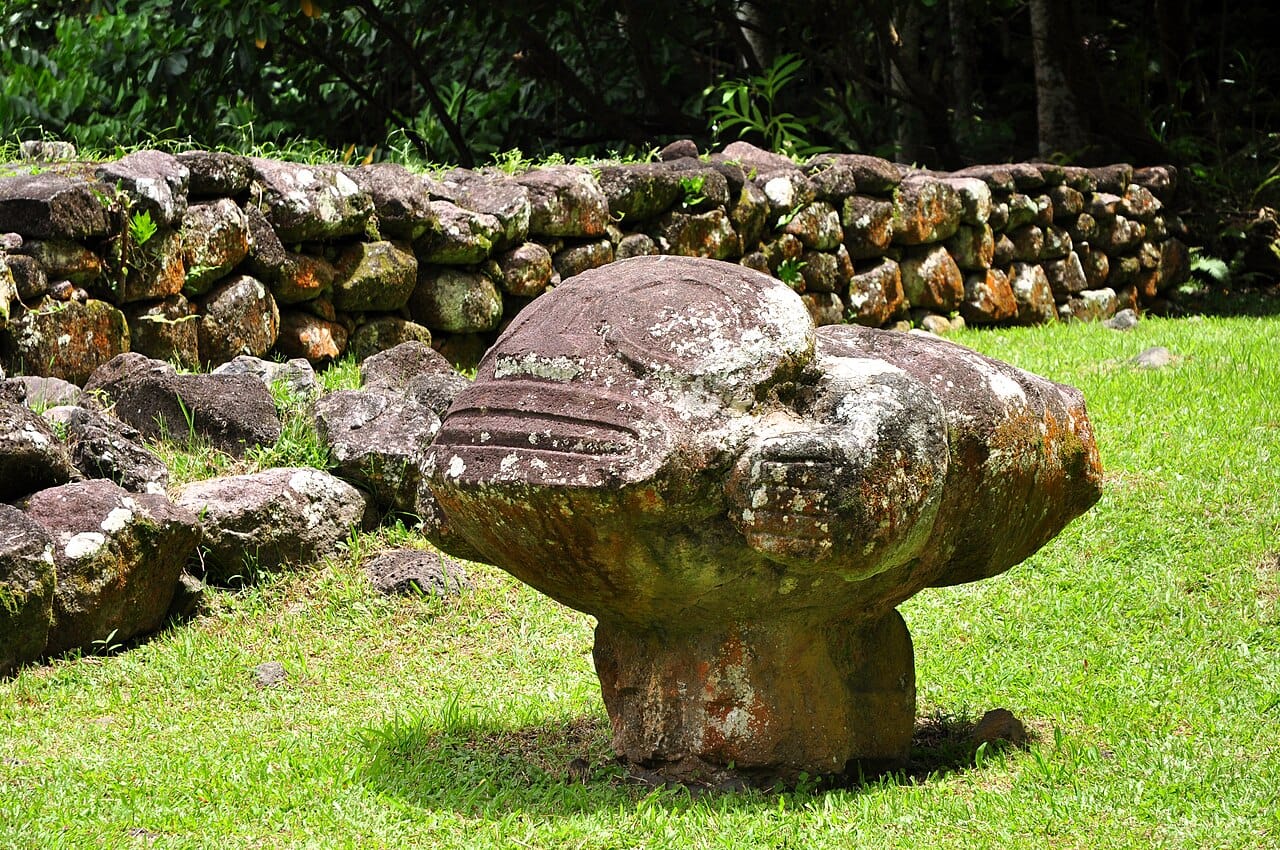
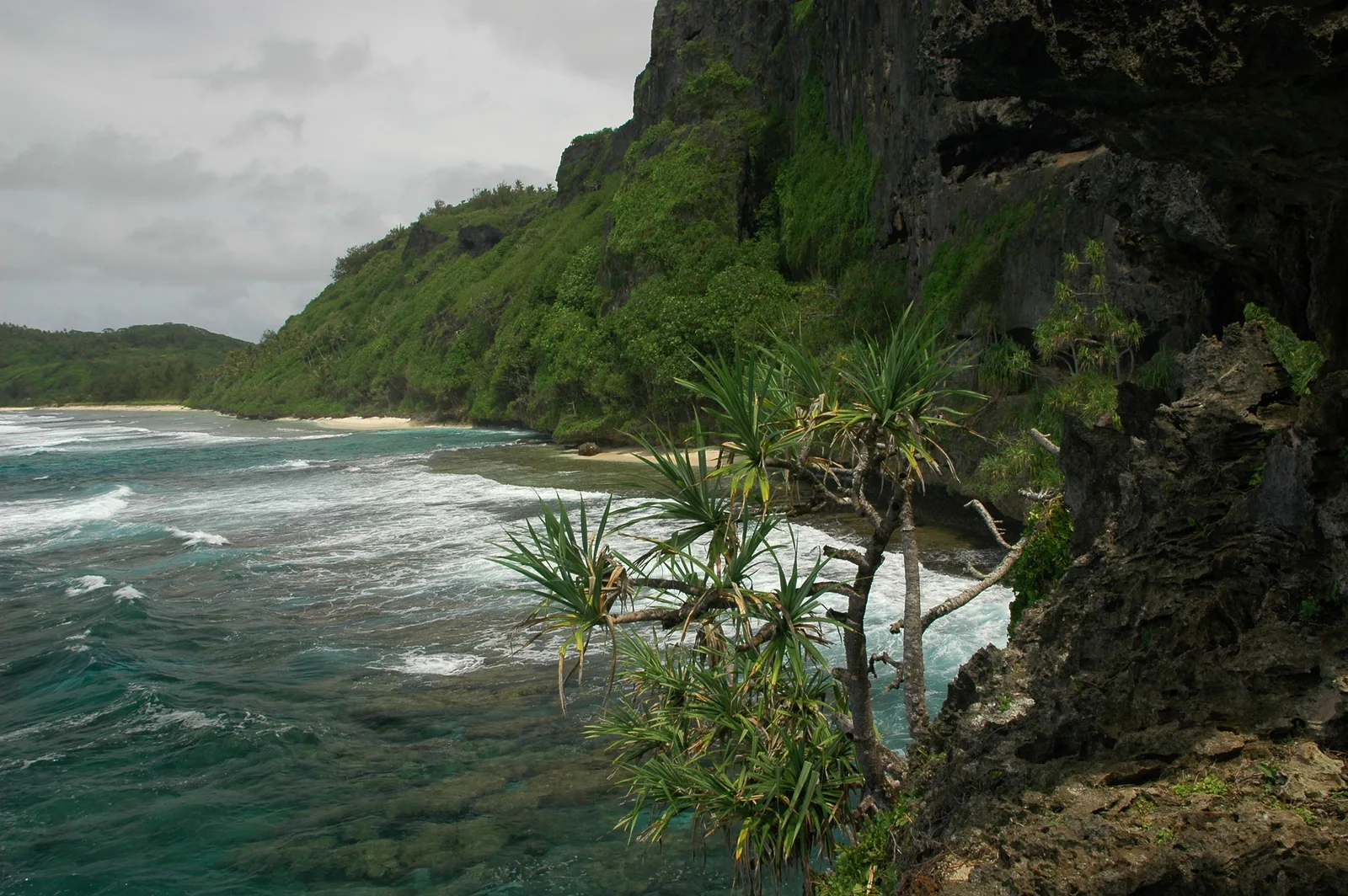
Olivier Bruchez · Source · CC BY-SA 2.0 · 2012-06-02 22:51:53 · Full photograph adapted for display.
02
Match the route to the participants
Describe your walking experience, ages and relevant limitations. Ask what the stated duration includes: transport, breaks and walking. Explain whether you want a relaxed visit or a demanding outing. Confirm an alternative if the proposed route does not suit the group.
03
Confirm access and equipment before setting out
Ask for a recent confirmation of the route, access and current conditions. Check drinking water, footwear, protection and equipment to bring or supplied. Confirm the meeting point, return arrangements and rescheduling options. An online profile is not a live update on whether access is open.
04
Respect sites and keep an alternative plan
Follow access instructions and your guide’s advice. Private land or a cultural site is not open to visitors simply because it appears on a map. Ask before photographing people and respect local guidance. If the outing is postponed, choose another suitable visit rather than following the original route alone.
What to check before you go
- Route and difficulty understood
- Conditions and access confirmed
- Equipment and meeting point checked